The Complete Guide to Food Preservation Methods
Have you ever wondered how our ancestors kept their food fresh without fridges? Think about it—no electricity, no supermarkets. Yet, they managed just fine with ancient techniques like sun-drying, salting, and fermenting. In this guide, we'll explore these methods and more, diving into their histories, science, and practical tips for using them at home.
The Art of Salting
"A pinch of this, a dash of that!" Salting is one of the oldest tricks in the book when it comes to food preservation. Imagine you're on a long sea voyage or facing a harsh winter; salt becomes your best friend by keeping meat fresh and flavorful.
How It Works
When you sprinkle salt on a cut of meat, something magical happens. The salt draws out moisture through osmosis, drying the flesh and making it an inhospitable home for bacteria and mold. Plus, it inhibits enzymes that can cause spoilage, giving your food a longer shelf life.
Types of Salting
- Dry Salting: Think of rubbing a piece of fish or meat with salt and sugar, then letting it sit for days to weeks. It's like giving the food a long, soothing spa day.
- Brining: This is perfect for larger cuts like hams. Submerge your food in a saltwater solution, and let it soak up all that preserving goodness.
Tips for Home Use
Always use non-iodized salt; iodine can give an off-flavor to your cured meats. For the best results, keep your curing environment cool—around 35°F to 40°F (2°C to 4°C). This helps prevent harmful bacteria from growing and keeps everything safe.
The Sun-Dried Tradition
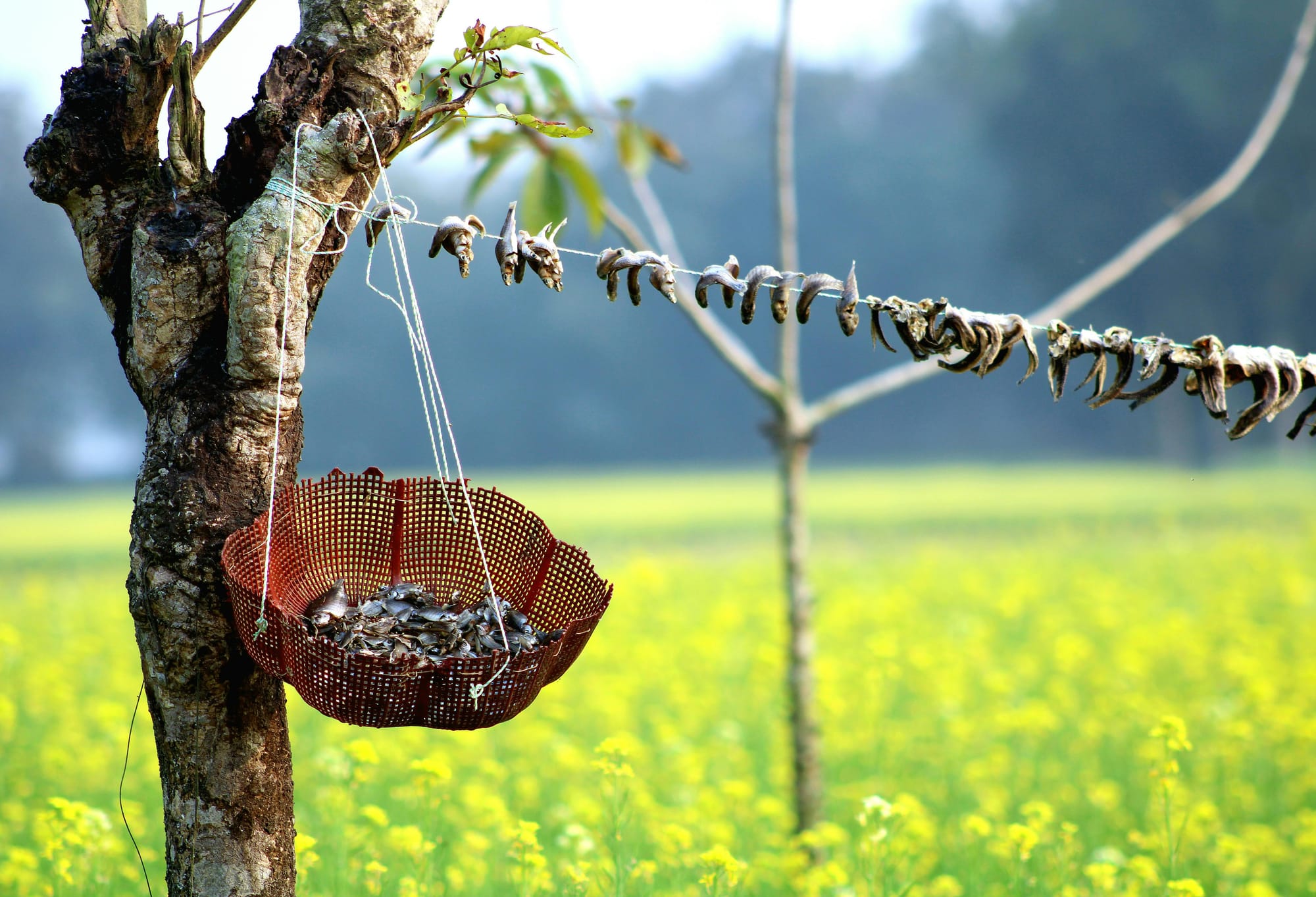
In sunny regions, drying food in the open air has been a tradition for centuries. Picture yourself hanging herbs or laying out slices of tomatoes on a warm, breezy day. It's not just about preserving; it’s also about capturing those intense flavors.
How It Works
Place your food in direct sunlight or a well-ventilated area, and let nature do its work. The heat and wind will evaporate the moisture, causing the food to shrink and concentrate its flavors and nutrients. It's like giving your ingredients a natural flavor boost.
Types of Drying
- Air Drying: Perfect for herbs and thin slices of vegetables. Just hang them up in a warm, dry place.
- Sun Drying: Ideal for foods like tomatoes, raisins, and apricots. Place them on racks or screens under the sun, often covered to keep dust and insects at bay.
Tips for Home Use
Choose sunny days with low humidity for the best results. Rotate your drying racks every few hours to ensure even drying. Once done, store your dried foods in airtight containers away from light and heat to maintain their quality.
The Science of Fermentation
Fermentation is like alchemy—microorganisms like bacteria, yeasts, or molds break down sugars into acids, gases, or alcohol. Not only does this preserve food, but it also enhances its nutritional value and develops complex flavors.
How It Works
During fermentation, beneficial microbes feast on the natural sugars in foods, producing lactic acid or other compounds that lower the pH level. This acidic environment is tough for harmful bacteria to survive in, giving your fermented foods their characteristic tangy taste.
Types of Fermentation
- Lactic Acid Fermentation: Think pickles, sauerkraut, and yogurt—tangy and delicious.
- Alcoholic Fermentation: Used in beer, wine, and bread making. It’s the magic behind those bubbly beverages and fluffy loaves.
Tips for Home Use
Use clean, sterilized equipment to avoid contamination. Keep a consistent temperature during fermentation, usually around 70°F (21°C). Taste your ferment regularly to monitor its progress and flavor development. It's like watching a slow-motion culinary masterpiece come to life!
The Modern Marvel of Canning
Canning has changed the game in food preservation, allowing us to store foods for extended periods without refrigeration. It’s all about sealing food in airtight containers and heating them to kill bacteria.
How It Works
By removing oxygen from the jar and creating a vacuum seal, canning prevents the growth of microorganisms that cause spoilage. The heat treatment also destroys enzymes that would otherwise degrade your food over time.
Types of Canning
- Water Bath Canning: Great for high-acid foods like fruits and pickles. It’s simple and effective.
- Pressure Canning: Necessary for low-acid foods like vegetables and meats to ensure all bacteria are killed at higher temperatures. Safety first!
Tips for Home Use
Always use tested recipes from reliable sources—safety is key! Ensure your jars and lids are properly sterilized before you start. After processing, check the seal by pressing the center of the lid; it should not flex up or down. A good seal means a happy, preserved meal.
The Convenience of Freezing
Freezing might be the most accessible method of food preservation today. Thanks to modern refrigeration technology, we can lower temperatures and slow down the activity of microorganisms and enzymes that cause spoilage.
How It Works
When you freeze food, the water inside forms ice crystals. This can damage cell walls but also stops microbial growth in its tracks. Once thawed, the texture might be a bit different, but the nutritional content remains largely intact.
Types of Freezing
- Blanching and Freezing: Perfect for vegetables to preserve their color and nutrients. It’s like giving them a quick bath before freezing.
- Flash Freezing: Great for small pieces or single items to prevent them from sticking together. Think berries, peas, or even individual meat portions.
Tips for Home Use
Wrap foods tightly in freezer-safe containers or bags to prevent freezer burn. Label everything with the date so you know when it was frozen. Most fruits and vegetables can be stored for 8 to 12 months. It’s like having a mini grocery store right in your freezer!
Conclusion
Every dish tells a story, and each method of food preservation has its own rich history and cultural significance. Whether you're preserving a bountiful harvest or preparing for winter, these techniques offer practical solutions and endless culinary possibilities.
So why not give one of these methods a try? Start with something simple like making homemade pickles or drying herbs from your garden. The satisfaction of creating your own preserved foods is unparalleled, and the flavors will speak for themselves. Happy preserving!
Related: The Art of Simple Food: Big Flavor With a Clever Twist | DNR Warns Maryland Black Bears Emerging From Winter Dens In Search Of Food; Here’s How To Prepare
Enjoyed this? Enter your email for a weekly digest from Tastefullife Blog.
Read more across our network:
• BMW F 450 GS vs KTM 390 Adventure S: Engine, Price, Features Compared
• White House Dinner Shooting & Global News Highlights