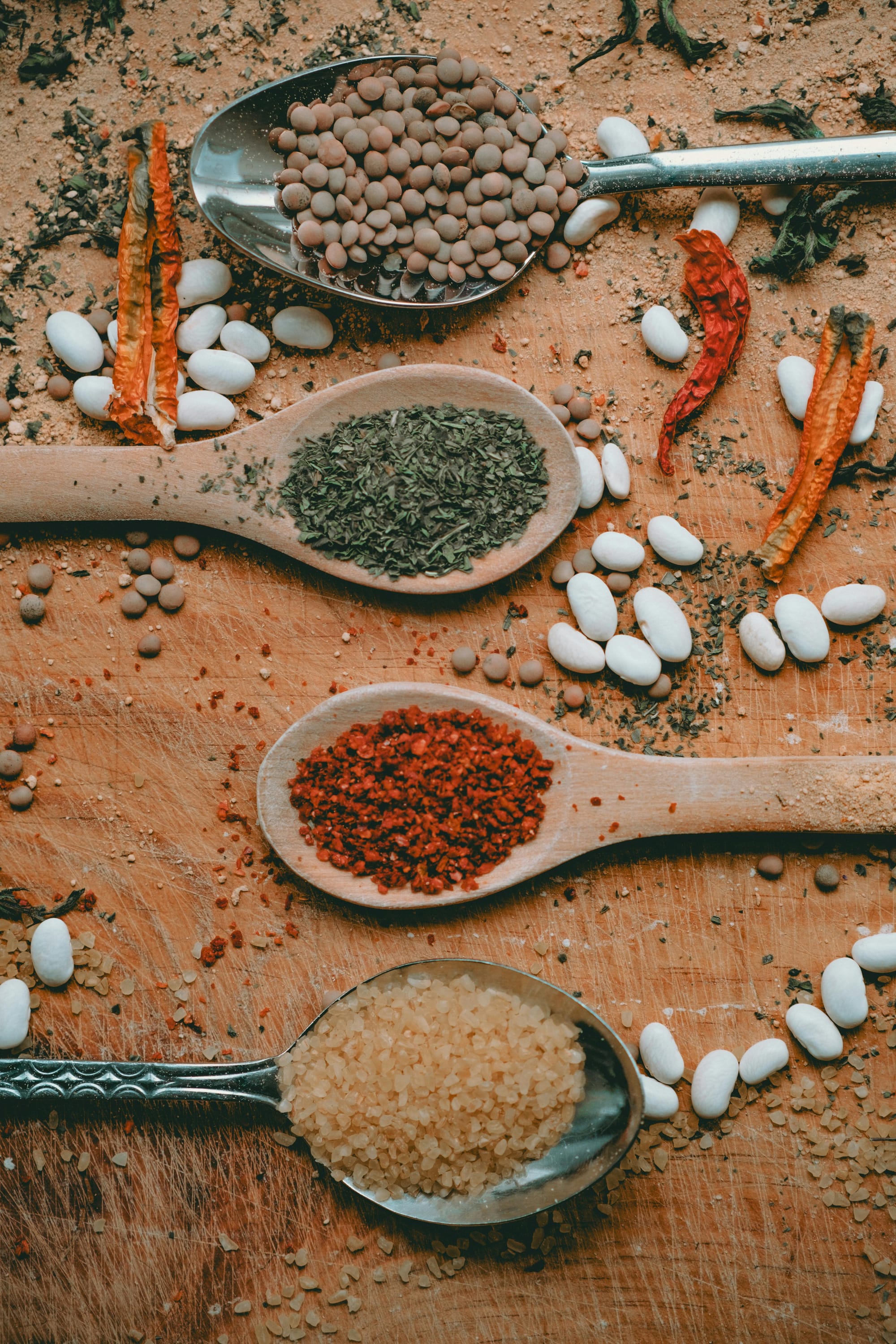
The Art of Simple Food: Big Flavor With a Clever Twist
Ever found yourself wondering why some of the most unforgettable meals are made with just a few ingredients? It’s easy to think that great cooking needs an extensive list of items or a deep wallet. But, as my mother always said, "A pinch of this, a dash of that!"—it's all about making each ingredient shine.
Think about Kinsale, for instance. My hometown on the coast of County Cork is a place where fresh seafood and simple herbs blend to create dishes that are greater than their parts. The secret? Using high-quality ingredients and understanding how to bring out the best in them. So, let's dive into the art of simple food and discover how you can achieve big flavors with just a clever twist.
Embrace Freshness
When it comes to cooking simply, freshness is your best friend. Whether it’s a tomato from your garden or a catch-of-the-day fish from the local market, the quality of ingredients makes all the difference. In Kinsale, I often start my day at the docks, selecting the best catches for my meals.
One dish that stands out is a simple grilled mackerel. Just a few sprigs of thyme, some sea salt, and a drizzle of olive oil are all you need. The thyme adds a subtle herbal note that complements the fish without overpowering it. When I was younger, I’d help my father prepare this for family gatherings. It’s not about complexity; it’s about capturing the essence of the mackerel.
Tips for Choosing Fresh Ingredients
- Visit Local Markets: Support local farmers and fishermen to get the freshest produce.
- Smell and Touch: Use your senses to pick ripe fruits, vegetables, and fresh fish with a clean, briny smell.
- Plan Your Meals: Buy only what you need for the week to keep ingredients at their peak and reduce waste.
Master the Basics
Understanding basic cooking techniques is crucial when working with simple ingredients. Techniques like sautéing, roasting, and grilling can transform a dish without needing numerous additives. For example, a well-roasted chicken with herbs and lemon can be the star of any meal.
In my kitchen, I often roast vegetables to bring out their natural sweetness. Carrots, parsnips, and potatoes are cut into uniform pieces, tossed in olive oil, seasoned with salt and pepper, and roasted until golden. The caramelization adds a depth and richness that no sauce could replicate.
Essential Cooking Techniques
- Sautéing: Cook ingredients quickly over medium-high heat to seal in flavors.
- Roasting: Slow cooking at a lower temperature to develop complex flavors.
- Grilling: Direct heat for a smoky, charred finish that enhances the natural taste of foods.
Experiment with Herbs and Spices
Herbs and spices are your allies when it comes to elevating simple dishes. They can add layers of flavor without complicating the recipe. For example, a sprinkle of paprika on roasted sweet potatoes can transform them from ordinary to extraordinary.
In Kinsale, we often use dill in our seafood dishes. It pairs beautifully with salmon and trout, adding a fresh, slightly tangy note that complements the richness of the fish. My grandmother had a small herb garden where she grew her own dill, parsley, and chives. She taught me to pick herbs just before using them for maximum flavor.
Common Herbs and Spices
- Dill: Great with fish and potatoes.
- Parsley: Adds freshness to salads and sauces.
- Thyme: Perfect for roasting meats and vegetables.
- Paprika: Enhances the color and flavor of roasted dishes.
Let the Flavors Speak for Themselves
One of the most important aspects of simple cooking is letting the ingredients shine. Over-seasoning or over-complicating a dish can mask its natural flavors. When I prepare a simple tomato salad, I use only ripe tomatoes, fresh basil, olive oil, and a sprinkle of sea salt. The combination allows the sweetness of the tomatoes and the aromatic basil to stand out.
Techniques for Balancing Flavors
- Taste as You Go: Adjust seasonings gradually to avoid overpowering the dish.
- Use Quality Ingredients: Fresh, high-quality ingredients require less enhancement.
- Keep It Simple: Sometimes, fewer ingredients result in a more harmonious and satisfying meal.
A Clever Twist
While simplicity is key, adding a clever twist can take your dishes from good to great. This doesn’t mean adding more ingredients but finding innovative ways to use what you have. For instance, a classic Irish stew can be elevated with the addition of a dollop of herbed crème fraîche or a sprinkle of chopped parsley.
In my kitchen, I love to experiment with different cooking methods. A simple grilled cheese sandwich becomes something special when you add a layer of caramelized onions and a few slices of apple. The sweetness of the apples balances the richness of the cheese, creating a delightful contrast.
Creative Twists on Simple Dishes
- Grilled Cheese: Add caramelized onions and apple slices.
- Omelette: Mix in chopped herbs and diced vegetables for added flavor.
- Pasta: Toss with garlic, chili flakes, and fresh lemon zest for a zesty kick.
Conclusion
Good cooking isn’t about the number of ingredients or the cost of your pantry. It’s about using what you have to create something delicious. Whether it’s a simple grilled fish, a roasted vegetable dish, or a classic tomato salad, let each ingredient tell its own story. A pinch of this, a dash of that—let the flavors speak for themselves.
So, the next time you’re in the kitchen, don’t reach for that complex recipe. Instead, choose a few high-quality ingredients and let them shine. Experiment with herbs, master basic techniques, and add a clever twist to make your meals unforgettable. Happy cooking!
Call-to-Action
Why not try one of these simple yet flavorful recipes this week? Share your creations on social media using #SimpleFlavors and tag me @MaeveOConnellKinsale. I can’t wait to see what you come up with!
Related: DNR Warns Maryland Black Bears Emerging From Winter Dens In Search Of Food; Here’s How To Prepare | Why I Started Tasteful Life Blog
Enjoyed this? Enter your email for a weekly digest from Tastefullife Blog.