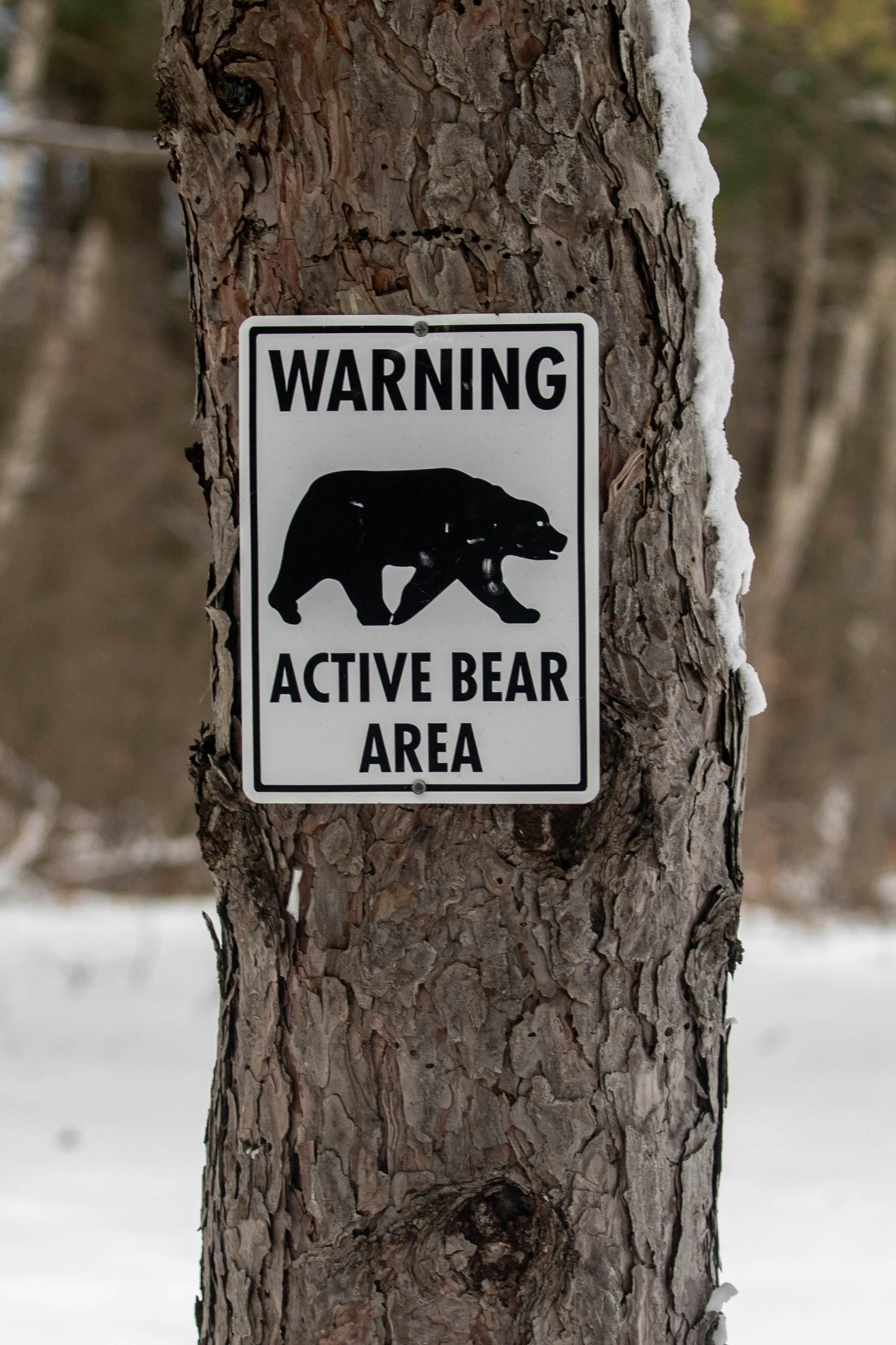
DNR Warns: Maryland's Black Bears Are Waking Up Hungry—Here’s Your Action Plan
ANNAPOLIS, Md. – As winter's frosty grip loosens and the warmth of spring seeps into our bones, there's a stirring in the woods that's hard to ignore. The Maryland Department of Natural Resources (DNR) is spreading the word: black bears are emerging from their cozy dens with one thing on their minds—food. Whether you're an avid nature lover or just someone who appreciates a peaceful home, it's time to take note and prepare.
The transition from winter slumber to spring activity is crucial for these majestic creatures. Imagine waking up after months without a meal; that’s what black bears face as they step out into the world. They can weigh anywhere from 150 to 600 pounds, and their hunger drives them to seek out food sources to replenish their energy reserves. While spotting a bear might be exciting for some, it's essential to take steps to keep both humans and bears safe.
Understanding Bear Behavior: A Closer Look
In Maryland, black bears are most commonly found in the western counties like Garrett, Allegany, Washington, and Frederick. These areas offer a lush forest habitat teeming with natural food sources. However, as cities expand into bear territory, encounters between humans and bears have become more common.
Spring is when male bears usually emerge first, followed by females without cubs. Females with cubs tend to stay in their dens a bit longer, waiting for the right moment to introduce their young ones to the world. The DNR reminds us that while black bears are generally shy and prefer to avoid humans, the lure of easy food can change their behavior.
Personal Anecdote: A Close Encounter
I remember a story from my childhood in Kinsale, Ireland, where we had our own wildlife encounters, though not with bears. One morning, as I was fetching water from the well, a curious fox appeared, drawn by the scent of fresh bread my mother had baked. We both froze for a moment before it scampered off into the woods. It’s important to remember that wild animals are just trying to survive, much like we do.
Preparing Your Home: Bear-Proofing Tips
To keep bears at bay and your home safe, the DNR offers some practical advice:
Secure Your Trash and Recycling
One of the biggest draws for bears is improperly stored garbage. Bears have a keen sense of smell and can detect food odors from far away. Here’s how to keep your trash secure:
- Use bear-resistant containers or secure lids.
- Store garbage in a garage or shed until collection day.
- Rinse out containers before recycling to remove any lingering food smells.
Remove Bird Feeders and Pet Food
Bird feeders, especially those with seeds and suet, can be irresistible to bears. Consider these tips:
- Take down bird feeders from April through November when bears are most active.
- If you must keep them up, use bear-resistant feeders or hang them at least 10 feet off the ground and 4 feet away from any support.
Pet food left outside is another attractant. Always bring pet food inside at night and clean up any spilled food to avoid drawing bears to your property.
Manage Compost and Gardens
Compost piles can be a tempting treat for bears if not managed properly:
- Use a bear-resistant compost bin or enclose your compost area with sturdy fencing.
- Avoid adding meat, dairy, or other high-protein foods to your compost pile.
For gardens, consider installing fencing. Electric fencing is particularly effective in deterring bears.
Personal Anecdote: A Community Effort
In Kinsale, our community came together to protect a local orchard that was being raided by deer. We installed a fence and set up motion-activated sprinklers to deter the animals without harming them. It’s a testament to what can be achieved when neighbors work together.
What to Do If You Encounter a Bear
Even with all your precautions, you might still come face-to-face with a bear. Here’s how to handle such situations safely:
Stay Calm and Back Away Slowly
If you spot a bear from a distance, remain calm and slowly back away without turning your back on the bear. Avoid direct eye contact, as this can be seen as a threat.
Make Noise
If the bear doesn’t know you’re there, make some noise to alert it. Speak in a calm, firm voice and clap your hands. This often encourages the bear to leave the area.
Do Not Run
Running can trigger a chase response in bears. Stand your ground and continue to back away slowly if the bear approaches you.
Use Bear Spray
If you live in an area with frequent bear activity, consider carrying bear spray when outdoors. Familiarize yourself with how to use it before heading out. If a bear gets too close, deploy the spray according to the manufacturer’s instructions.
Personal Anecdote: Preparedness is Key
My father always kept a first-aid kit and emergency supplies in our home, even though we lived far from any major wildlife threats. He believed that being prepared for any situation was essential. The same principle applies when it comes to bear safety.
Conclusion: Living Harmoniously with Maryland’s Black Bears
The emergence of black bears from their winter dens is a natural part of the ecosystem in western Maryland. By taking proactive steps to minimize attractants and knowing how to respond if you encounter a bear, you can help ensure that both humans and bears coexist safely.
Call-to-Action
If you live in an area where black bears are present, share these tips with your neighbors and community. Together, we can create a safer environment for everyone. Remember, every action counts in preserving the natural balance of our beautiful state.
The post DNR Warns Maryland Black Bears Emerging From Winter Dens In Search Of Food; Here’s How To Prepare appeared first on The Wild Life Blog.
Related: From Fire to Fermentation: The Dynamic Dining Shifts of 2026
Enjoyed this? Enter your email for a weekly digest from Tastefullife Blog.