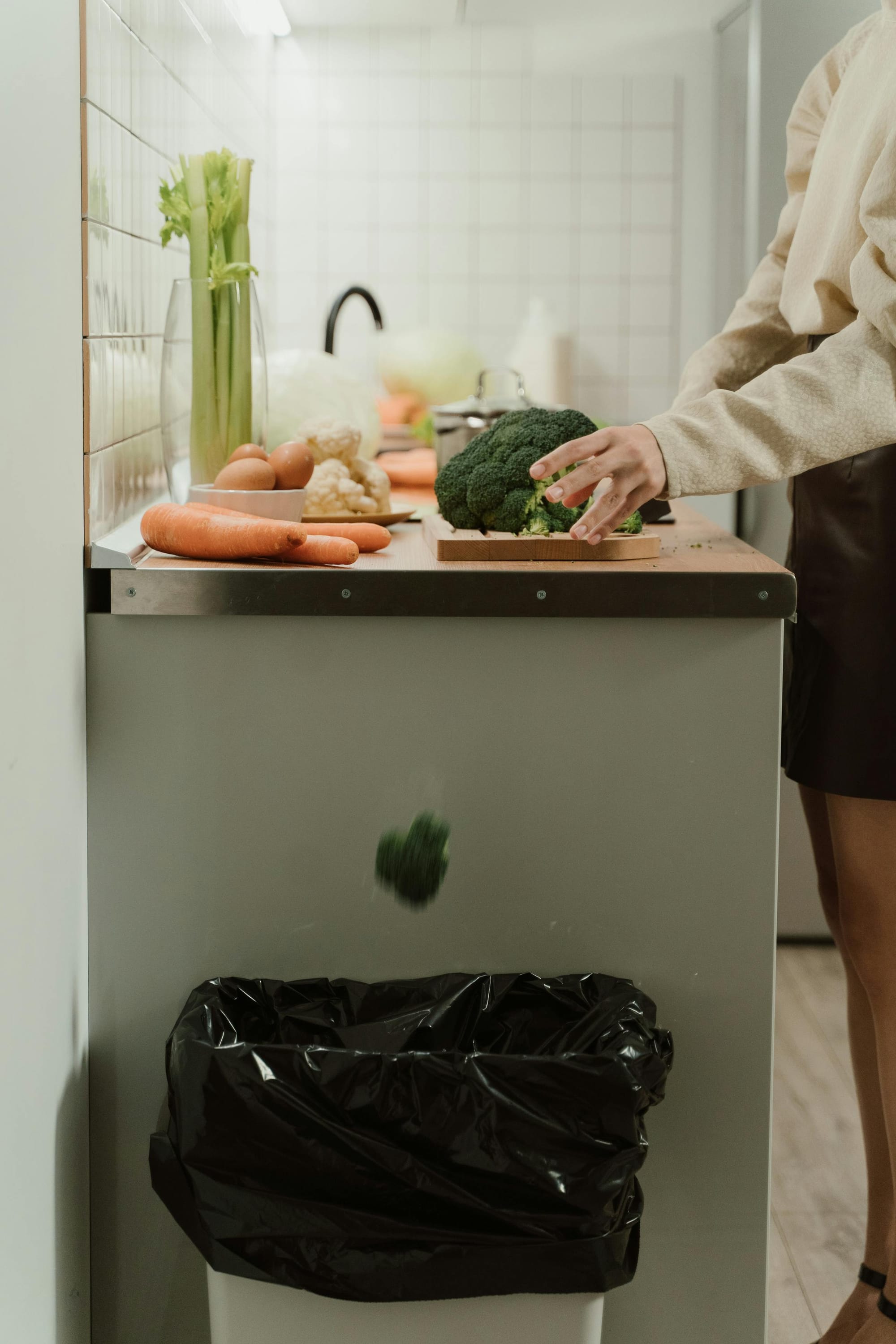
How to Cook for One Without Wasting Food
Cooking for one can be a delightful adventure, can't it? It's your kitchen, your rules, and there's so much room for creativity. Yet, the challenge of not overbuying and ending up with a fridge full of wilted veggies is real. I've been there, tossing out more than I should. But fear not! With some thoughtful planning and a bit of culinary know-how, you can enjoy tasty meals without contributing to food waste.
In this post, we'll dive into practical tips for cooking solo. Whether you're a busy bee or just someone who finds peace in the kitchen alone, these strategies will help you use what you have and keep your pantry (and wallet) happy. So, let's get started!
Plan Your Meals with Purpose
"A pinch of this, a dash of that!" Cooking for one is all about planning, my friend. Take a good look at your fridge and pantry before you hit the grocery store. What gems are hiding in there? This simple step can save you from unnecessary buys and rescue items from the compost bin.
Craft a weekly meal plan based on what needs to be used up first. For example, if that bag of spinach is starting to droop, why not whip up a quick sauté with some garlic and lemon for dinner tonight? It's a win-win—your spinach gets a second chance, and you get a fresh, nutritious meal.
When shopping, go for smaller quantities or items that can be easily portioned out. Need just one potato? Grab it loose instead of the big bag. Trust me; prevention is better than dealing with leftovers going bad.
Embrace Leftovers and Versatility
Let the flavors speak for themselves! One of my favorite ways to reduce waste is by embracing leftovers and versatile ingredients. Think about it: a dish doesn't have to stay in its original form. Take that leftover roast chicken from last night's dinner. How about shredding it and using it in a comforting soup or a refreshing salad today?
Doubling recipes that freeze well can be a lifesaver, too. I once made a big batch of seafood chowder, a recipe my father taught me back in Kinsale. The first bowl was divine, but the real magic happened when I froze half and reheated it on a gloomy day weeks later. It felt like I was right back home, surrounded by those comforting aromas.
Store Food Properly
Ever opened your fridge to find something unidentifiable? Storing food correctly can make all the difference in its shelf life. Here are a few tips:
- Fruits and Vegetables: Keep them in the crisper drawer for controlled humidity. Leafy greens like spinach and kale stay fresher longer if you store them in airtight containers with a damp paper towel.
- Herbs: Treat them like fresh flowers. Trim the stems, place them in a glass of water, and loosely cover with a plastic bag to keep them hydrated.
- Meat and Fish: Freeze portions you won’t use right away. Label everything clearly with the date it was frozen to keep track.
Investing in good storage containers is worth it. Glass jars and reusable silicone bags are eco-friendly options that help your food stay fresh longer while reducing plastic waste.
Get Creative with Scraps
Every dish tells a story, and sometimes the best ones come from unexpected places. Don't toss those scraps just yet! Vegetable peels, carrot tops, and chicken bones can be transformed into flavorful broths or stocks. Just simmer them in water with some herbs and spices for a few hours, strain, and voilà—homemade stock that adds depth to your meals.
For instance, the next time you peel carrots, save those peels in a freezer bag. Once you have enough, make a batch of veggie broth. It's a great way to reduce waste and enhance your dishes.
Herb stems are another hidden gem. Instead of discarding them, chop them up and use them as a base for pesto or chimichurri. These sauces can elevate simple dishes like pasta or grilled chicken to new heights.
Conclusion
Cooking for one doesn’t mean you have to sacrifice taste or contribute to food waste. By planning your meals thoughtfully, embracing leftovers, storing food properly, and getting creative with scraps, you can enjoy delicious meals while being mindful of the environment.
So, the next time you're alone in the kitchen, remember these tips and let them guide you. Share your own tricks and stories on Reddit or in the comments below. Let’s inspire each other to cook more sustainably and savor every bite!
Related: The Complete Guide to Food Preservation Methods | Sheet-Pan Chicken with Black Beans & Squash: Easy One-Dish Meal | Transform Any Soup into a Filling Meal with One Pantry Ingredient | The Art of Simple Food: Big Flavor With a Clever Twist
Enjoyed this? Enter your email for a weekly digest from Tastefullife Blog.
Read more across our network:
• Healthy Snacking: Evidence-Based Tips & Myths Debunked
• 5 Morning Arm Exercises for Men Over 55