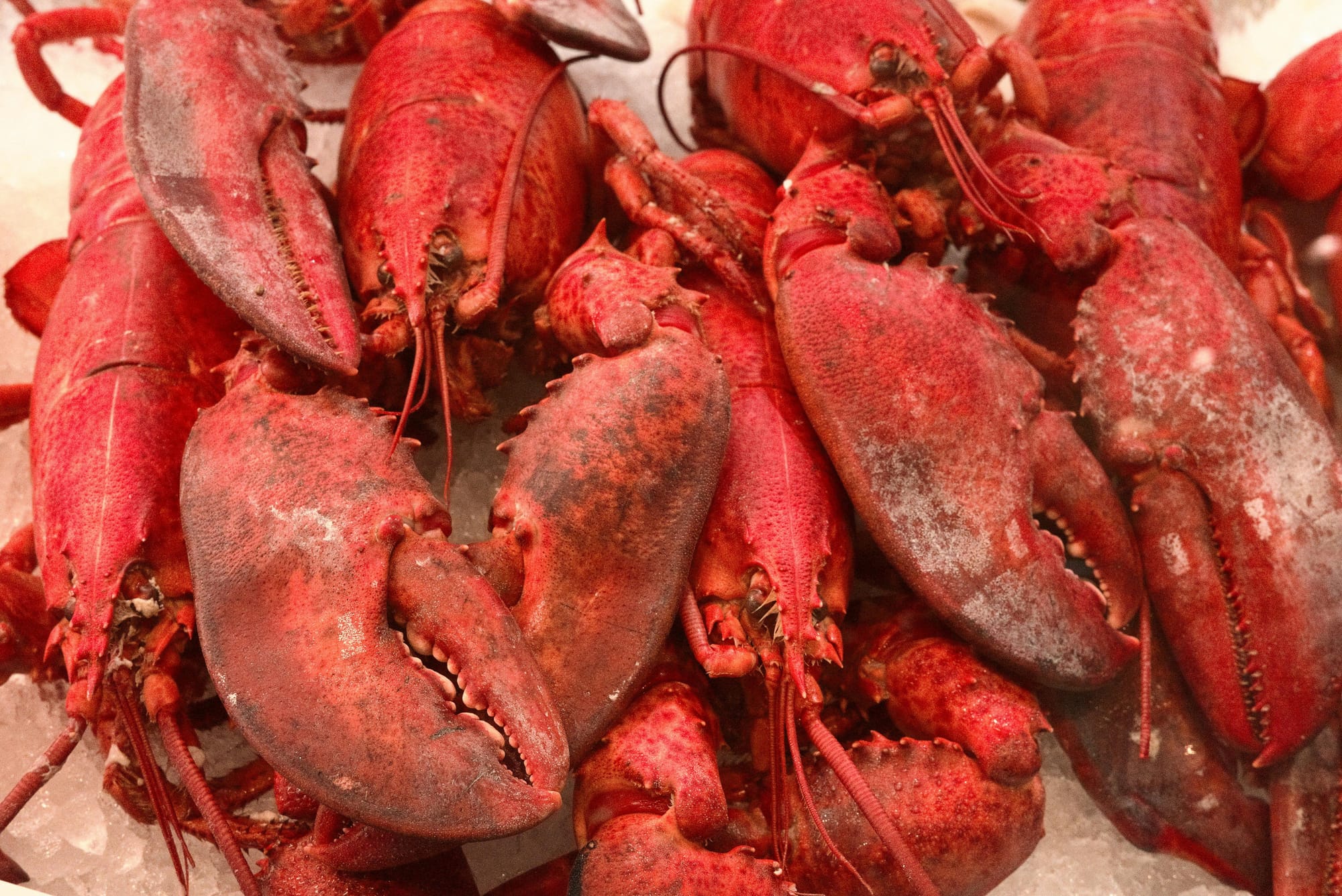
New Study Suggests Lobsters May Feel Pain: A Culinary Wake-Up Call
Have you ever pondered over the dishes that have been a part of your family's table for generations? Each dish, with its unique blend of spices and aromas, carries a piece of history and culture. But what if this culinary heritage comes with an ethical asterisk? A recent study has raised some intriguing questions about our cooking methods, especially when it comes to lobsters.
The research, published in a prestigious scientific journal, hints that lobsters might experience pain similarly to other sentient beings. This finding has sent ripples through the culinary world, making chefs and home cooks alike reconsider their long-standing practices. As someone who cherishes both tradition and ethical cooking, I found this study particularly thought-provoking.
The Science Behind Lobster Sensory Awareness
Lobsters have been a cornerstone of coastal cuisine for centuries, celebrated for their rich taste and robust nature. Yet, recent research from Queen's University Belfast has unveiled that these crustaceans might be more sensitive than we once believed. Scientists conducted experiments to determine whether lobsters and crabs show behaviors indicative of pain.
One experiment involved applying mild electric shocks to the subjects. The animals exhibited a clear escape response, actively avoiding the source of discomfort. This isn't just reflex; it suggests a level of sensory awareness that was previously underestimated. If lobsters do indeed feel pain, then common practices like boiling them alive or cutting them while conscious could be causing unnecessary suffering.
The implications are significant. It's a stark reminder to treat these creatures with the respect they deserve, both in commercial kitchens and at home. This study has sparked debates about crustacean welfare, challenging us to rethink our cooking methods.
Ethical Considerations for Culinary Practices
Every dish tells a story, but what if that story includes an element of distress? I often think back to my grandmother's kitchen. She would always handle the lobsters with care, as if they were living beings worthy of respect. Her wisdom, though rooted in cultural norms rather than scientific evidence, now resonates more deeply.
Given these new findings, we're faced with a moral dilemma: How do we balance our love for traditional dishes with ethical treatment of animals? Some restaurants have already taken steps to adopt more humane methods, such as using instant death techniques. For example, a sharp knife can quickly and decisively end the lobster's life by splitting it from head to tail. Electric stunning devices are another option, rendering the lobster unconscious before cooking.
The European Union has proposed regulations requiring humane slaughter of crustaceans in commercial settings. While these guidelines aren't yet law, they represent a significant shift in our approach to animal welfare.
Practical Steps for Ethical Lobster Cooking
So, what can home cooks do to ensure ethical practices? Here are some practical steps that align with the principles of humane treatment:
1. Quick Dispatch: Use a sharp knife to swiftly end the lobster's life by splitting it from head to tail. This method is quick and minimizes potential suffering.
2. Chilling Before Cooking: Place the lobster in a chilled environment for about 30 minutes before cooking. This reduces its metabolism and makes the process less stressful.
3. Electric Stunning Devices: For those who are tech-savvy, electric stunning devices can be used to render the lobster unconscious before cooking. These devices are becoming more accessible and offer a humane alternative.
4. Support Ethical Suppliers: Choose suppliers who prioritize animal welfare. Many seafood companies now adhere to strict guidelines that ensure the humane treatment of crustaceans.
5. Educate Yourself and Others: Stay informed about the latest research and share your knowledge with others. Awareness is the first step towards change.
By implementing these practices, we can continue to enjoy our favorite dishes while showing respect for the animals on our plates. It's a small but significant way to honor both tradition and compassion.
Conclusion: Embracing Ethical Cooking
In the end, cooking isn't just about following recipes; it's about making conscious choices that reflect our values. The new study on lobsters has given us an opportunity to reconsider our practices and make them more humane. As I prepare my next lobster dish, I'll remember my grandmother's words and handle the creature with care, ensuring its story ends with dignity.
I encourage all of you to join me in this journey. Whether you're a professional chef or a home cook, let's work together to create a culinary world that respects both tradition and ethics. By doing so, we can continue to enjoy the rich flavors of our heritage while showing compassion for the animals that enrich our lives.
Let the flavors speak for themselves, but let our actions speak volumes about who we are as responsible stewards of the natural world.
Related: GoPacks Top Chef Challenge: A Culinary Fundraiser
Enjoyed this? Enter your email for a weekly digest from Tastefullife Blog.