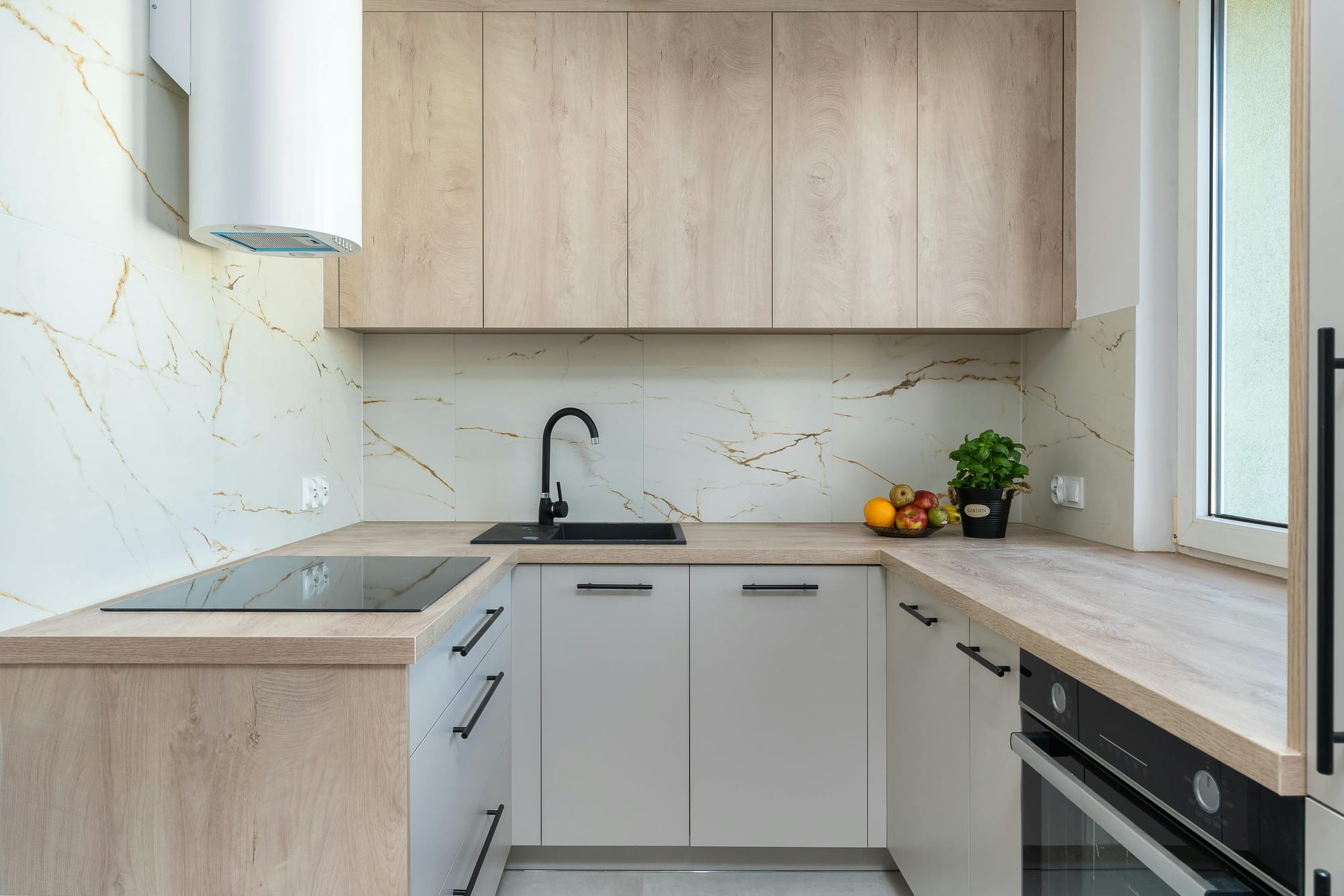
6 Things Energy-Efficient Homes Never Include in Their Kitchens
Ever stopped to think about how much your kitchen might be costing you, beyond the obvious grocery bills? A well-crafted, energy-efficient kitchen isn't just good for the planet; it's also a smart way to save on those pesky utility bills and make your home more comfortable. Over the years, I've seen my fair share of kitchens—each with its own story to tell. But the most efficient ones? They all seem to share one thing in common: they skip certain elements that can drain both your wallet and the planet's resources. So, let’s dive into six things you should consider avoiding if you want a more energy-efficient kitchen.
Outdated Appliances
When it comes to an energy-efficient kitchen, upgrading old appliances is like giving your home a fresh lease on life. Those clunky, outdated refrigerators, stoves, and dishwashers are notorious for guzzling electricity. Take my family’s old fridge from the 1990s, for instance. It hummed day and night, almost like a gentle lullaby—but not a cheap one! When we finally upgraded to a modern Energy Star-rated model, it was like night and day. The kitchen became quieter, cooler, and our energy bills dropped significantly. According to the U.S. Department of Energy, switching to a new fridge can save you up to $265 over five years. That’s money in your pocket!
Inefficient Lighting
Lighting is another area where small changes can make a big impact. Traditional incandescent bulbs are like energy vampires—converting only about 10% of their power into light and the rest into heat. This not only wastes electricity but also cranks up your cooling costs in the summer. LED lighting, on the other hand, is a game-changer. It uses at least 75% less energy and lasts up to 25 times longer than those old incandescents. For example, swapping out a 60-watt incandescent bulb for a 10-watt LED can save you about $7 per year in electricity costs. Plus, LEDs come in a variety of hues, so you can still create that cozy ambiance without breaking the bank.
Poor Insulation
A well-insulated kitchen is like a warm hug on a cold day—it keeps the temperature just right and takes some of the load off your HVAC system. Gaps around windows and doors, or insufficient insulation in walls and floors, can lead to significant energy loss. I remember moving into my first home and being baffled by how much colder the kitchen was compared to the rest of the house. After a bit of sleuthing, I found gaps around the windows and door frames. Sealing these with weatherstripping and adding insulation behind the walls made a world of difference. According to the Department of Energy, proper sealing and insulating can save you up to 20% on heating and cooling costs. It’s a win-win!
Energy-Wasting Cookware
The right cookware is like having a secret ingredient in your kitchen—it can make all the difference. Using pots and pans that are mismatched with your burners can waste a lot of heat. For example, placing a small pan on a large burner can squander up to 40% of the heat produced. On the flip side, using aluminum or copper-bottomed cookware helps distribute heat more evenly, reducing cooking times and energy usage. My grandmother was a master at this. She always used the right size pan for each burner, teaching me that it not only saves energy but also cooks food more efficiently. It’s a simple tweak that can make your kitchen greener.
Water-Wasting Fixtures
Water efficiency is another key player in an energy-efficient kitchen. Traditional faucets can be real water wasters, especially if they have high flow rates. Installing low-flow aerators on your faucets can cut water usage by up to 60% without sacrificing performance. Plus, fixing leaky faucets and pipes can save you hundreds of gallons of water each year. In my kitchen, I installed a low-flow faucet that not only saved water but also reduced the strain on our water heater. It was a small change with big results.
Unnecessary Standby Power
Many modern kitchen appliances continue to draw power even when they’re turned off—this is known as standby power or phantom load. Devices like coffee makers, microwaves, and blenders can consume a surprising amount of electricity over time. According to the Natural Resources Defense Council (NRDC), standby power can account for up to 23% of a home’s annual energy use. To tackle this, consider using smart power strips that automatically cut off power to devices when they’re not in use. Alternatively, unplugging appliances when they’re not needed is a simple but effective solution. I have a smart power strip in my kitchen that turns off the coffee maker and toaster after an hour of inactivity. It’s a small change, but it adds up over time.
Conclusion
Creating an energy-efficient kitchen is all about making thoughtful choices that benefit both your wallet and the planet. By avoiding outdated appliances, inefficient lighting, poor insulation, energy-wasting cookware, water-wasting fixtures, and unnecessary standby power, you can transform your kitchen into a more sustainable space. If you’re ready to take the next step, start by assessing your current setup and identifying areas for improvement. Small changes can lead to big savings and a more comfortable home. Why not make your kitchen a model of efficiency today? After all, every little bit helps in making our homes greener and more wallet-friendly.
Enjoyed this? Enter your email for a weekly digest from Tastefullife Blog.